- You have no items in your shopping cart
- Continue Shopping




Direct Answer
Thicker moisturizer isn’t automatically better for barrier repair, and can sometimes slow it down. “Natural” doesn’t mean automatically gentle. More steps and more actives don’t mean more effective, and often mean more irritation. Marketing language like “bio-active complex” is designed to sound scientific without actually explaining anything.
Skincare marketing has gotten very good at sounding like science. Buzzwords, dramatic before-and-afters, and ingredient names that sound impressive without meaning much. Here’s what actually holds up against the claims.
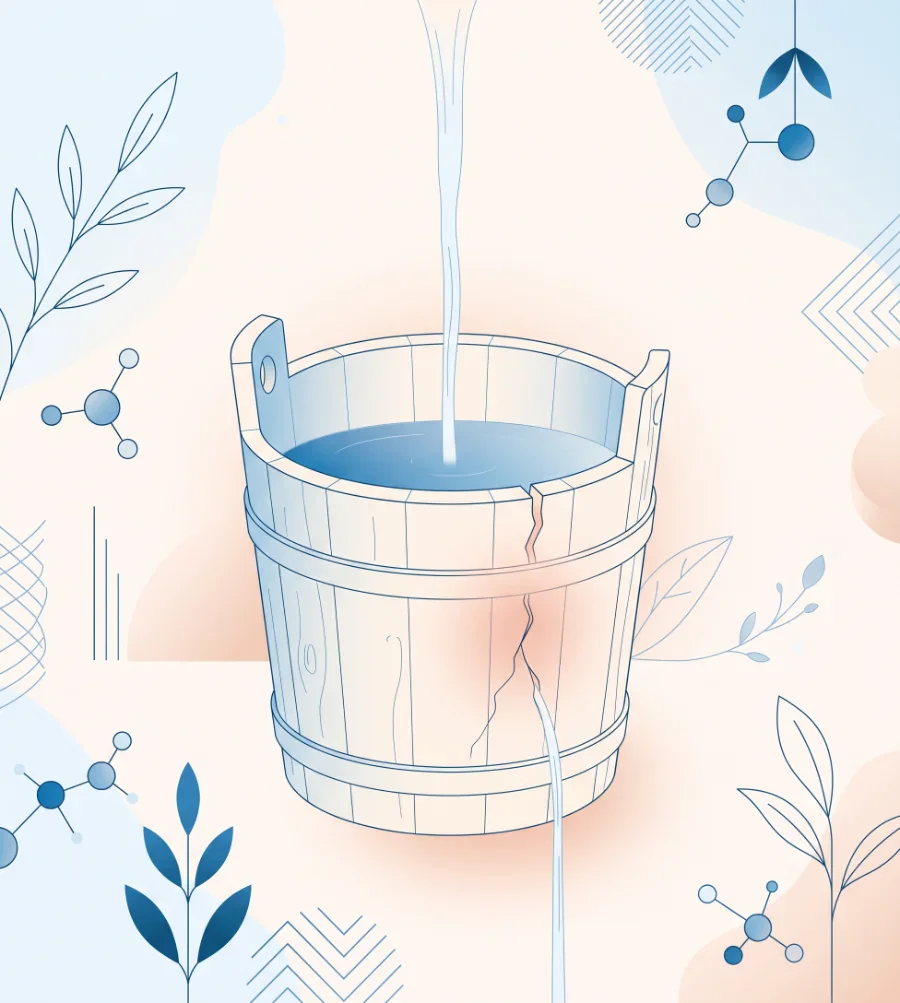
Myth: thicker moisturizer means better repair
It’s an easy assumption: more product, more protection. In practice, overly occlusive, heavy formulas can sometimes hinder the skin’s own healing process rather than help it. Lightweight moisturizers built around ceramides, hyaluronic acid, and glycerin tend to restore the barrier more effectively than sheer thickness does.
Myth: natural ingredients are automatically gentle
“Natural” is a marketing word, not a safety guarantee. Citrus extracts are photosensitizing. Essential oils including cinnamon, lavender, and peppermint can disrupt the barrier just as much as synthetic irritants, especially on skin that’s already compromised. Origin doesn’t determine how an ingredient behaves on your specific skin. (For more on this, see this dermatologist-authored breakdown of common skincare myths.)
Myth: more steps means more effective
The multi-step routine trend created a real misconception: that complexity equals results. Layering numerous actives increases irritation risk and makes it genuinely harder to tell what’s actually working or what’s causing a reaction. Targeted, minimal routines consistently perform better than elaborate ones for most people, most of the time.
How to actually spot the marketing
Watch for excessive buzzwords that sound technical but don’t explain what an ingredient does or how it works. Watch for dramatic promises, real skin improvement happens gradually, not overnight. And watch for a total absence of ingredient transparency: if a brand can’t or won’t tell you what’s actually in a formula and why, that’s worth noticing.
What actually holds up
Barrier repair responds to consistency with a small set of genuinely useful ingredients, ceramides, niacinamide, hyaluronic acid, glycerin, alongside sun protection and a routine you actually stick to. None of that requires ten steps or a bio-active complex. It requires knowing what your skin actually needs, which is a different question for every person, not a one-size-fits-all routine sold the same way to everyone.
Tired of guessing which claims are actually true for your skin?
Book a 60-minute consultation with Ken — RM30, a real diagnosis, no pitch.